
The Metaxas Line
and the Battle of the Forts
Metaxas Line
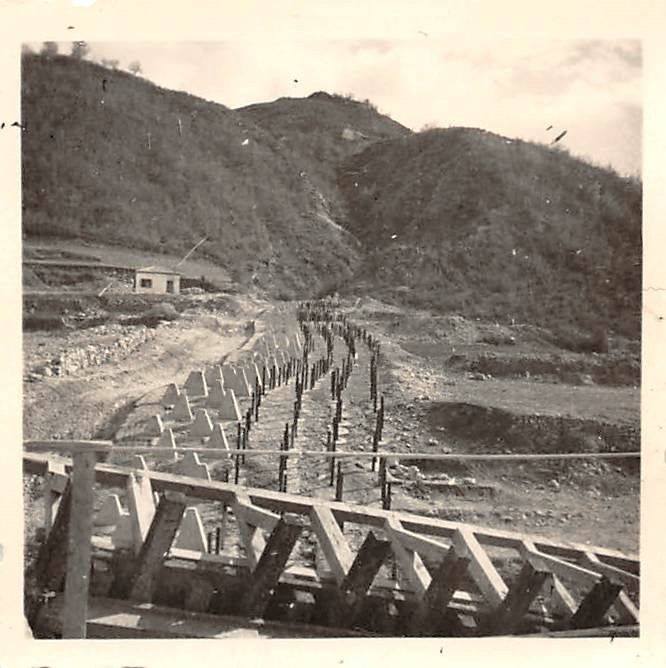
The Metaxas Line and its 21 forts form one of the most important and technically complex defensive works of modern Greece. It was constructed during the dictatorship of Ioannis Metaxas (1936–1940), with the purpose of shielding the country from a potential invasion through its northern borders, primarily from Bulgaria. This defensive system proved to be of decisive importance during the German invasion of Greece in April 1941.
The Metaxas Line stretches along the Greek–Bulgarian border, covering the regions of Eastern Macedonia and Western Thrace. Its total length reached approximately 155 km and was designed to defend Greece against an attack through the main mountain passes of the frontier.
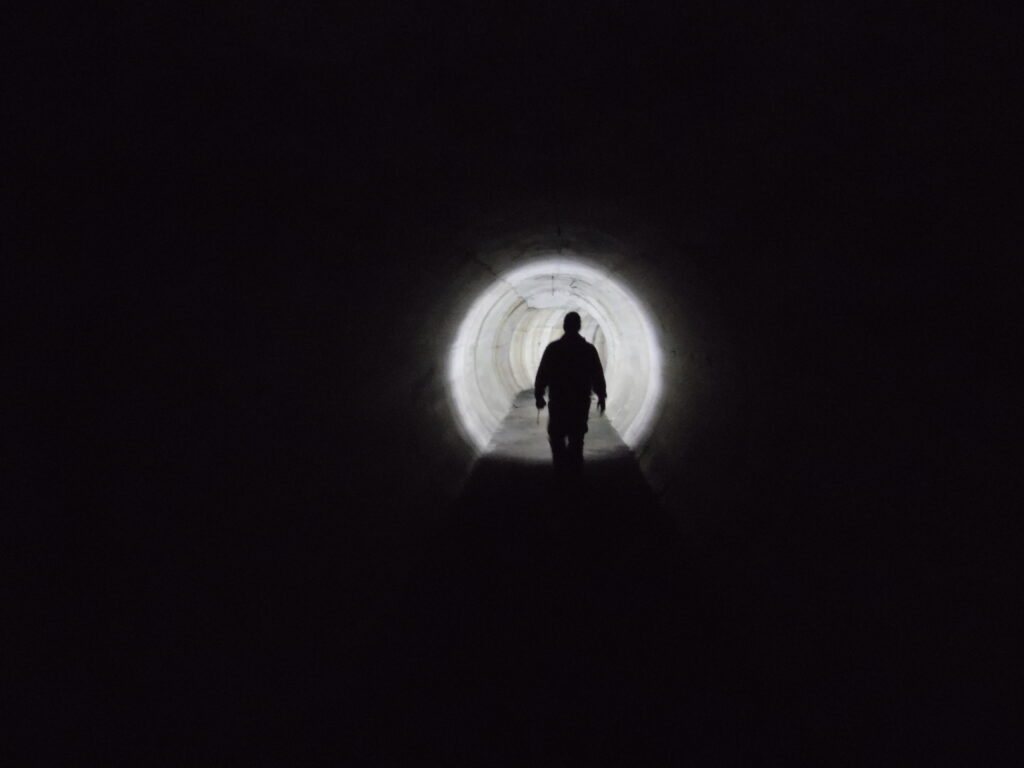
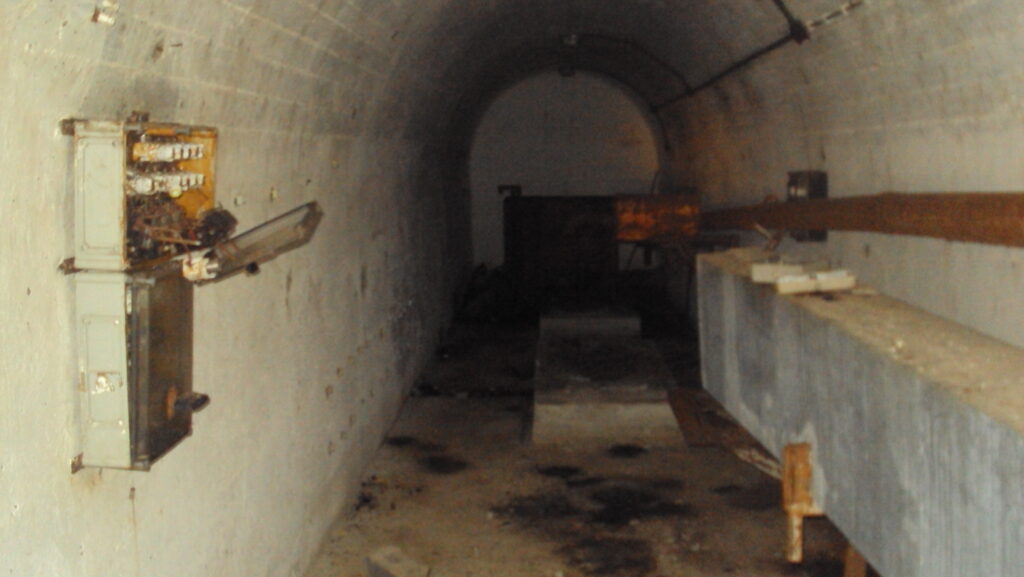
Each fort was built of reinforced concrete capable of withstanding heavy bombardment and assaults by mechanized forces and aircraft. The complexes consisted of an extensive network of underground tunnels and shelters that offered protection to the Greek soldiers, connecting to external defensive positions such as pillboxes, observation posts and gun emplacements.
The underground installations were equipped with ventilation and water systems, along with supplies and ammunition to endure a prolonged siege.
The 21 forts of the Metaxas Line are: Popotlivitsa, Istibei, Kelkagia, Arpalouki, Paliouriones, Roupel, Karatas, Kali (Serres), Persek, Babazora, Maliaga, Perithori, Partalouska, Dasavli, Lisse, Pyramid-shaped Fort, Kastillo, Agios Nikolaos, Bartiseva (Drama), Echinos (Xanthi), Nymphaia (Rodopi).
The Battle of the Forts
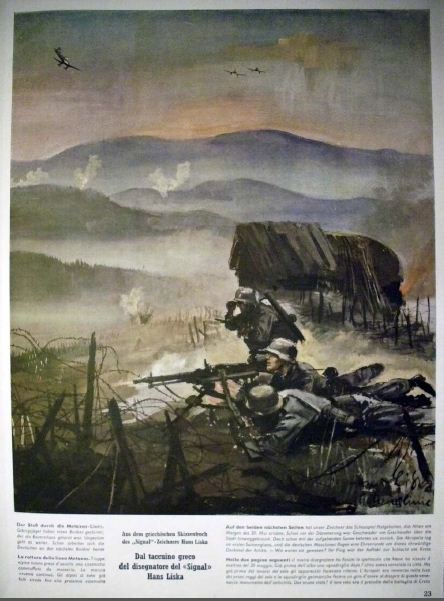
The Battle of the Forts (6–10 April 1941) took place during the German invasion of Greece (Operation Marita), when Hitler’s forces decided to advance into the country through Bulgaria, after the Italian army had failed to defeat the Greeks on the Albanian front.
On 6 April 1941, German forces launched their assault against the Metaxas Line along the Greek–Bulgarian border, aiming to break through and enter Greece. The forts were well equipped and the Greek defenders prepared, despite the overwhelming numerical superiority of the German army.
Although the enemy attack was fierce, supported by artillery and air power, the garrisons inflicted heavy losses on the invaders and offered determined resistance in most sectors.
The forts on Mount Belles — with the exception of Paliouriones — fell quickly into enemy hands, as did the forts of Echinos and Nymphaia in Western Thrace. However, the majority of the fortifications resisted with remarkable tenacity — most notably the complexes of Roupel and Lisse — and surrendered only after Thessaloniki had already been captured by the German forces.
Greece’s contribution
to the Allied victory
The Battle of the Forts, although small in scale compared with other battles of the Second World War, carried a powerful symbolism for the Greek people and the Allied forces. The heroic stand of the Greek defenders became part of the broader spirit of resistance that continued throughout the Occupation.
The defence of the forts slowed down German operations and delayed the overall advance of the Axis in the Balkans. At the same time, it inspired a spirit of resistance both among Greeks and among other peoples fighting against the Axis, reinforcing the global sentiment against totalitarianism.
In the broader strategic context, the delays caused by the Balkan campaign contributed to the late launch of Operation Barbarossa, forcing German forces to confront the harsh Russian winter—something widely considered a decisive factor in the failure of the invasion of the Soviet Union.
Neglect
and opportunities
Unfortunately, today most of the 21 forts of the Metaxas Line stand abandoned and looted, even though they are still theoretically considered active defensive works. Only the forts of Roupel, Lisse, Istibei and Nymfaia are currently used as historical monuments, while the rest have been left to decay.
The lack of maintenance and preservation of such historically significant sites leads to the gradual loss of their meaning, especially for younger generations. In contrast, their proper restoration and promotion could strengthen national historical awareness and highlight Greece’s contribution during the Second World War.
Reviving the Metaxas Line could significantly boost the country’s tourism, particularly in the fields of military tourism and historical tourism. If restored and showcased, the forts could become major attractions for visitors and history enthusiasts from around the world.
Such an effort would not only preserve the historical value of these fortifications but also support local economies and project Greece’s modern history to an international audience.
ROUPEL PASS
Κλείστε τη θέση σας σήμερα και ανακαλύψτε την ιστορία της Στενωπού του Ρούπελ